
RV LiFePO4 Battery Manufacturer
Custom RV Lithium Battery Manufacturer for OEM & Camper Power Systems
SAFTEC manufactures RV LiFePO4 battery packs for motorhomes, camper vans, travel trailers, caravans and off-grid mobile power systems.
Start from a proven RV lithium battery model, then adjust capacity, BMS, terminals, heating, casing, label and packaging around your project.


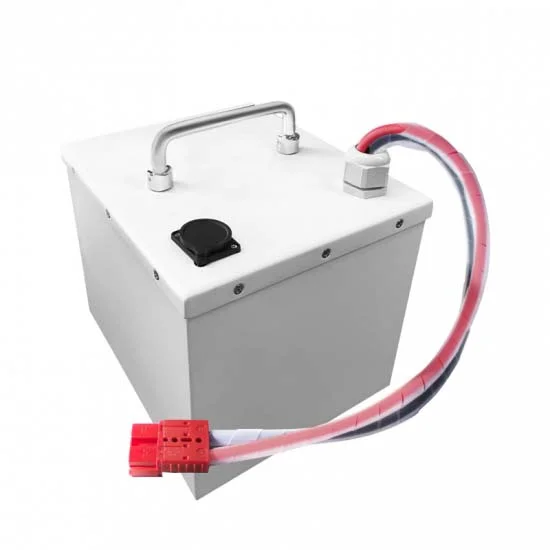
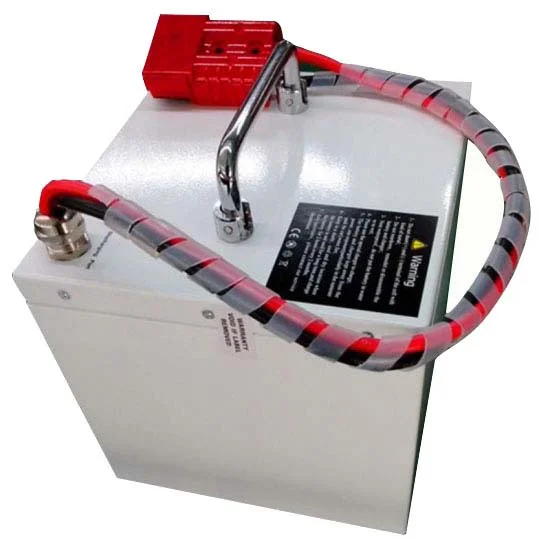
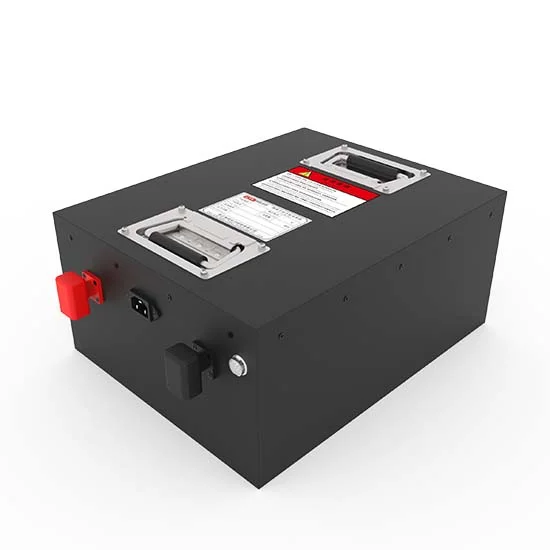
Built Around Your RV Power System
RV power systems are not all the same. Battery space, inverter size, charger type, climate, load current and branding requirements all affect the final battery pack.
SAFTEC helps RV battery brands, camper van builders, distributors and off-grid kit suppliers source batteries that can be installed, shipped, resold and reordered with fewer surprises.
What we can support:
- RV lithium batteries for motorhomes, camper vans, travel trailers and caravans
- Lead-acid or AGM replacement LiFePO4 battery options
- Battery matching for inverters, chargers and solar controllers
- BMS options for protection, communication and low-temperature use
- OEM label, carton, manual and packaging customization
- Sample confirmation and repeat production for long-term supply
RV Battery Models, Customized for Your Project
Use our reference RV LiFePO4 battery models as a starting point for model selection, sample discussion or OEM project development. Final voltage, capacity, dimensions, BMS, terminals, communication, heating, labels and packaging can be adjusted based on your project requirements.
| Model | Nominal Voltage (V) | Nominal Capacity (Ah) | Max Discharge Current (A) | Dimensions (mm) | Dimensions (in) | Approx. Weight (kg) | Weight (lb) | BCI/DIN Size | Terminal | Batteries in Series |
|---|---|---|---|---|---|---|---|---|---|---|
| 12V50 | 12.8 | 50 | 50 | 198×166×171 | 7.8×6.5×6.7 | 6.3 | 13.9 | — | T11 (M8) | Max 4S |
| 12V75 | 12.8 | 75 | 80 | 260×168×221 | 10.2×6.6×8.7 | 9.6 | 21.2 | 24 | T11 (M8) | Max 4S |
| 12V80 | 12.8 | 80 | 80 | 307×168×221 | 12.1×6.6×8.7 | 10.4 | 22.9 | 27 | T11 (M8) | Max 4S |
| 12V100 | 12.8 | 100 | 100 | 329×172×223 | 13.0×6.8×8.8 | 12.6 | 27.8 | 31 | T11 (M8) | Max 4S |
| 12V100-D | 12.8 | 100 | 100 | 318×175×190 | 12.5×6.9×7.5 | 12.6 | 27.8 | 94R/H7 L4 | DIN | Max 4S |
| 12V100-D | 12.8 | 100 | 100 | 355×175×190 | 14.0×6.9×7.5 | 12.8 | 28.2 | 49/H8 L5 | DIN | Max 4S |
| 12V150 | 12.8 | 150 | 150 | 520×268×228 | 20.5×10.6×9.0 | 21.0 | 46.3 | 8D | T11 (M8) | Max 4S |
| 12V200 | 12.8 | 200 | 150 | 520×268×228 | 20.5×10.6×9.0 | 24.5 | 53.9 | 8D | T11 (M8) | Max 4S |
| 12V260 | 12.8 | 260 | 150 | 520×268×228 | 20.5×10.6×9.0 | 30.5 | 67.1 | 8D | T11 (M8) | Max 4S |
| 12V300 | 12.8 | 300 | 150 | 520×268×228 | 20.5×10.6×9.0 | 33.5 | 73.7 | 8D | T11 (M8) | Max 4S |
Not sure which RV lithium battery model fits your project? Send us your target voltage, capacity, installation space, discharge current and estimated quantity. SAFTEC can help check the closest battery direction before sample or bulk production.
Customization options:
Need a different size, BMS or label? These options can be adjusted for OEM and project orders.
| Custom Area | What SAFTEC Can Adjust |
|---|---|
| Voltage & Capacity | 12V, 24V, 48V or other pack directions |
| Battery Case | Standard casing or adjusted dimensions |
| BMS | Protection, current, charging and communication matching |
| Communication | CAN, RS485, Bluetooth or display options |
| Cold Climate Use | Optional heating for low-temperature charging |
| Terminals & Cables | Terminal direction, cable length and connector options |
| Branding | Logo label, product sticker, carton and manual |
| Order Plan | Sample, pilot run and batch production support |
Estimate the RV Battery Capacity You Need
Battery Capacity Calculator
Compliant with IEC 61960 Battery Standards
Results:
Checked Before Shipment, Supported After Delivery
RV lithium battery orders need more than a capacity label. SAFTEC checks materials, battery packs, documents and support details before delivery, so buyers can manage installation, resale and repeat orders with fewer problems.

*Documents vary by battery model. Please contact SAFTEC for the latest certificate files.


Production Inspection
Incoming materials, battery cells, BMS, accessories, labels and packaging details are checked before assembly or shipment.
Battery Pack Testing
Cell matching, BMS function checks, charge and discharge testing, appearance inspection and final pack checks can be performed before shipment.
Export Documents
UN38.3, MSDS, CE and other related documents can be provided according to the battery model, order type and shipping requirements.
Warranty & After-Sales Support
Warranty terms, technical support and replacement solutions can be discussed based on battery model, application and order requirements.
FAQ
Can SAFTEC supply RV lithium batteries for camper vans and travel trailers?
Yes. SAFTEC manufactures RV LiFePO4 batteries for camper vans, motorhomes, travel trailers, caravans and off-grid mobile power systems.
Can your RV lithium batteries replace lead-acid or AGM batteries?
In many RV applications, LiFePO4 batteries can replace lead-acid or AGM batteries. Charger, inverter, installation space, BMS and low-temperature charging requirements should be checked before replacement.
Can you customize RV battery size, BMS and communication?
Yes. SAFTEC can discuss custom battery dimensions, BMS settings, CAN, RS485, Bluetooth, heating, terminals, cables and packaging.
Do you support OEM or private-label RV battery orders?
Yes. We support logo labels, product stickers, cartons, manuals and packaging customization for RV battery brands, distributors and project buyers.
Can I order samples before bulk production?
Yes. For suitable projects, sample confirmation can be arranged before pilot runs or batch production.
What information should I send for a recommendation?
Please send the application, voltage, capacity, quantity, size limit, discharge current, charging method and any branding or packaging requirements.
What documents can you provide for export shipping?
Depending on the battery model and order requirements, SAFTEC can support UN38.3, MSDS, CE or related battery test records.
Can we keep the same battery model for future orders?
Yes. For repeat orders, SAFTEC can help keep agreed specifications, labels, packaging and production requirements consistent across batches.
Tell Us About Your RV Lithium Battery Project
Share your application, target voltage, capacity, installation space, quantity and branding needs. Our team will send back the best offer in 1 day. Or email to:
saftecenergy@gmail.com
