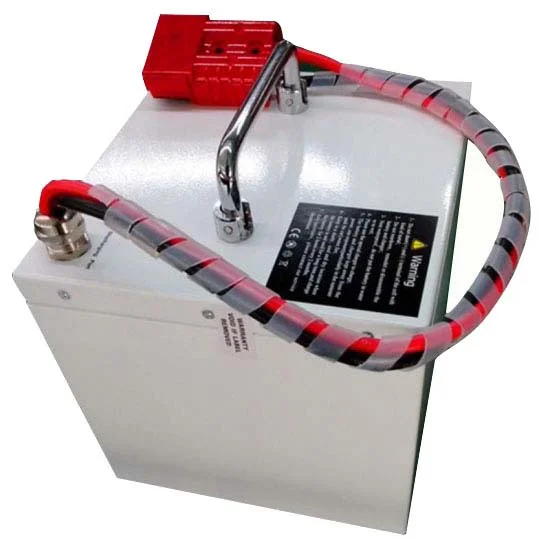
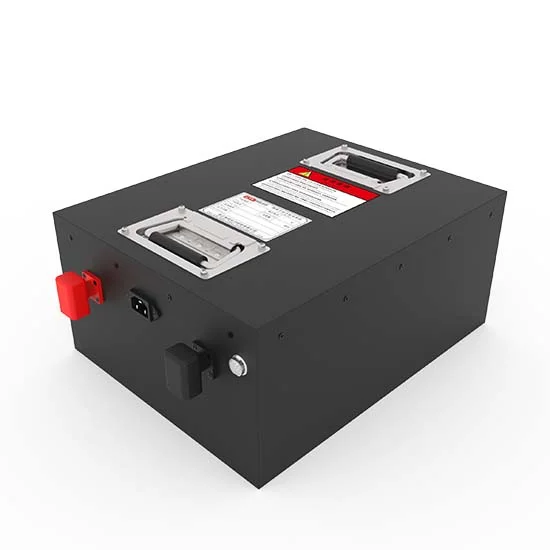
RV Lithium Battery (LiFePO4) — Safer, Lighter, Longer-Lasting Power for RV House Systems

Upgrade your RV’s house power with LiFePO4 lithium batteries engineered for predictable runtime, stable inverter performance, and cleaner charging from shore power, solar, and alternator sources. What you get with SAFTEC RV LiFePO4 batteries:

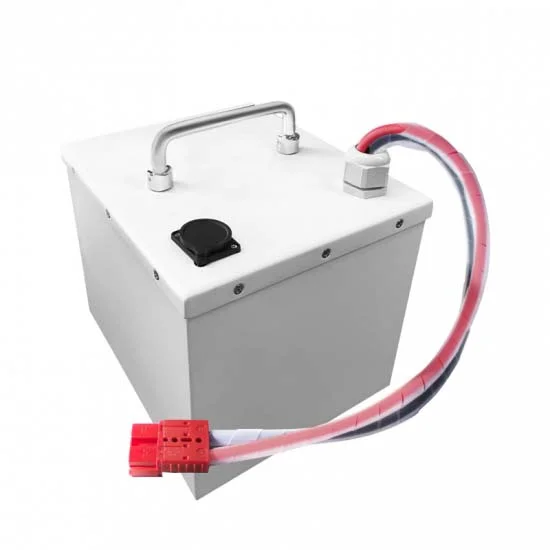
  • Drop-in or custom packs for common RV battery compartments and bank builds

  • Built-in BMS protection (over/under-voltage, over-current, short-circuit, over/under-temperature, cell balancing)

  • Optional low-temperature charging solutions (charge protection and self-heating options, depending on build)

  • Fast, efficient charging (with a LiFePO4-compatible charger profile)

  • Monitoring options (Bluetooth/app/CAN/RS485 available by configuration)

  • OEM/ODM ready for brands, installers, fleet operators, and RV upfitters

Your RV Lithium Battery Manufacturer — SAFTEC

SAFTEC builds LiFePO4 battery packs and drop-in RV lithium batteries with engineering controls that matter in real RV use: consistent cell matching, repeatable BMS configuration, and pack-level testing before shipment.

  • Multiple voltage platforms: 12V / 24V / 48V architectures available (project-dependent)

  • Pack engineering: BMS tuning for RV loads (inverter surge, DC loads, charge acceptance)

  • Quality controls: cell grading, matching, and pack testing for stability and consistency

  • Compliance support: shipping documentation and battery compliance files (see “Safety & Shipping”)

  • Customization: capacity, form factor, terminals, communication, heating, branding/labeling

SAFTEC RV LiFePO4 Battery Models & Specs

Below is a typical RV lithium lineup format. Exact specs (dimensions, terminals, continuous/surge current, comms, heating) vary by model and configuration—request the datasheet for the exact build you need.

ModelNominal Voltage (V)Nominal Capacity (Ah)Max Discharge Current (A)Dimensions (mm)Dimensions (in)Approx. Weight (kg)Weight (lb)BCI/DIN SizeTerminalBatteries in Series
12V5012.85050198×166×1717.8×6.5×6.76.313.9T11 (M8)Max 4S
12V7512.87580260×168×22110.2×6.6×8.79.621.224T11 (M8)Max 4S
12V8012.88080307×168×22112.1×6.6×8.710.422.927T11 (M8)Max 4S
12V10012.8100100329×172×22313.0×6.8×8.812.627.831T11 (M8)Max 4S
12V100-D12.8100100318×175×19012.5×6.9×7.512.627.894R/H7 L4DINMax 4S
12V100-D12.8100100355×175×19014.0×6.9×7.512.828.249/H8 L5DINMax 4S
12V15012.8150150520×268×22820.5×10.6×9.021.046.38DT11 (M8)Max 4S
12V20012.8200150520×268×22820.5×10.6×9.024.553.98DT11 (M8)Max 4S
12V26012.8260150520×268×22820.5×10.6×9.030.567.18DT11 (M8)Max 4S
12V30012.8300150520×268×22820.5×10.6×9.033.573.78DT11 (M8)Max 4S

Drop-In RV Batteries vs Custom Lithium Packs

Drop-in RV lithium batteries are best when you want a straightforward replacement for lead-acid/AGM in common battery trays—minimal mechanical changes, familiar wiring, and quick deployment. Custom lithium packs are best when you need:

  • Space-optimized installs (under-seat, basement bay, odd compartments)

  • Higher continuous current for large inverter loads

  • Communication to RV energy systems (CAN/RS485), smart monitoring, or fleet requirements

  • Integrated heating strategy for cold climates

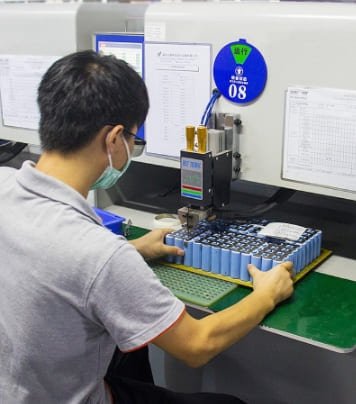
From Cell Matching to Pack Testing: How We Build RV Lithium Batteries

Reliable RV power starts before the first camping trip—it starts with how the pack is built. Our pack build process typically includes:

  • Cell grading & matching for consistency across the battery bank

  • BMS configuration aligned to your current demands and charge sources

  • Pack assembly with vibration-aware mechanical design and secured connections

  • Electrical verification (voltage accuracy, protection functions, balancing check)

  • Charge/discharge testing (basic functional tests; extended tests available by project)

  • Final inspection & labeling for traceability and after-sales support

Performance Gains When You Switch from Lead-Acid to LiFePO4 in an RV

When RV owners move from lead-acid/AGM to LiFePO4, the biggest difference isn’t just “lithium is lighter”—it’s usable energy and predictable voltage.

Typical real-world benefits include:

  • More usable capacity (less voltage sag and better output stability under load)

  • Faster recovery after high loads when properly charged

  • Lower maintenance compared with flooded lead-acid routines

  • Better storage behavior (lower self-discharge helps seasonal storage planning)

For many builds, this translates into fewer surprises: your fridge, lights, water pump, and inverter feel more consistent across the discharge window.

saftecenergy@gmail.com

Voltage Stability, Peak Current & Inverter Compatibility

RV systems are not gentle. Inverters create short bursts of high demand, and many “mystery shutdowns” are actually battery protection events from undersized banks, wiring limits, or BMS settings that don’t match the application.

What we design for:

  • Stable voltage under load to reduce nuisance inverter alarms

  • BMS current capability sized for your inverter’s continuous draw and startup surge

  • Bank scalability (parallel configurations available by design; confirm limits per model)

  • Integration notes to help your installer avoid voltage drop problems (cable length, gauge, fusing)

If you share your inverter model and typical peak loads, we can recommend a battery/BMS configuration that behaves predictably.

saftecenergy@gmail.com

Temperature & Climate Considerations for RV Lithium Batteries

Cold weather is where RV lithium setups succeed—or disappoint—depending on how charging is handled.

Key engineering points:

  • Low-temperature charging protection: LiFePO4 chemistry generally requires careful charge control in cold conditions.

  • Cold-weather solutions: depending on the build, options include charge inhibit logic, temperature-aware BMS settings, and self-heating configurations.

  • Storage planning: winter storage strategies should prioritize stable SOC targets, clean disconnect behavior, and parasitic load management.

If you camp below freezing, tell us your lowest expected ambient temperature and your charging sources—this directly affects the recommended configuration.

saftecenergy@gmail.com

Charging Systems, Chargers & Smart BMS for RV Use

RV charging is usually a mix of shore power, solar, and sometimes alternator charging. A good battery is only “good” if the charging system is compatible.

Shore power (converter/charger)

  • Use a charger/converter that supports a LiFePO4 profile (or programmable charging).

  • Confirm voltage setpoints and behavior (bulk/absorption/float) match the battery requirements in the datasheet.

Solar (MPPT/PWM)

  • MPPT controllers are commonly preferred for efficiency and flexibility.

  • Confirm controller voltage/current ratings and setpoints for your battery bank voltage.

Alternator charging

  • Many modern vehicles and RV platforms benefit from a DC-DC charger strategy to manage current limits and charging stability.

  • Share your alternator charging plan and cable run length so we can recommend a safe configuration.

What we provide (project-dependent):

  • Recommended charge settings summary (based on the specific battery model)

  • Suggested wiring/fusing layout notes for installers

  • Integration checklist for inverter/charger/MPPT/DC-DC combinations

saftecenergy@gmail.com

Safety, Certifications & Shipping for RV Lithium Batteries

For B2B buyers and installers, compliance isn’t optional—it’s how projects move.

Depending on the model and destination requirements, SAFTEC can support:

  • Transport and shipping documentation (commonly including UN38.3-related files where applicable)

  • Material documentation (SDS/MSDS where required for logistics and compliance)

  • Cell/pack safety standards support (project and market dependent; confirm requirements)

  • Export packaging designed for battery shipment and traceability

If you tell us your destination country and shipping method, we’ll align documentation and packing with your compliance needs.

saftecenergy@gmail.com

Engineering Support for Your RV Lithium Battery Project

Whether you’re building a new RV electrical system or replacing a bank, we help reduce rework and incompatibility surprises.

Support you can request:

  • Battery bank sizing based on load list and target runtime

  • Charger compatibility check (converter/inverter-charger/MPPT/DC-DC)

  • Recommended current limits and protection strategy (fusing, disconnect, cable sizing notes)

  • Datasheets and integration checklist for installers and OEM documentation

  • OEM branding/labeling and packaging options for wholesale programs

Send your RV load list and system diagram—get a tailored recommendation.

saftecenergy@gmail.com

FAQ

Can I replace my RV lead-acid battery with a LiFePO4 battery directly?
Often yes for the battery itself, but the overall success depends on charger/converter compatibility, cable/fuse condition, and your inverter peak loads. If you share your converter/charger model and inverter size, we can confirm the best path.

Do I need to upgrade my RV converter or charger for lithium?
Many RVs benefit from a LiFePO4-compatible charging profile. If your charger can’t reach appropriate setpoints or has unsuitable float behavior, you may see slow charging or incomplete charging. A quick compatibility check usually avoids frustration.

How many RV lithium batteries do I need (100Ah vs 200Ah vs 300Ah+)?
It depends on daily energy use and desired days off-grid. A load list (fridge type, inverter loads, hours of use) is the fastest way to size correctly—battery capacity alone doesn’t tell the whole story.

Can I charge an RV LiFePO4 battery from the alternator?
Yes in many systems, but alternator charging should be controlled to avoid excessive current, voltage drop issues, or unstable charging on modern “smart alternator” platforms. A DC-DC charging strategy is commonly used when conditions demand it.

Will a lithium battery work with my RV solar setup?
In most cases yes, especially with an MPPT controller that can be configured for LiFePO4 charging. The key is ensuring the controller settings match the battery model’s recommended charge parameters.

Is it safe to charge LiFePO4 batteries in freezing temperatures?
Charging behavior in cold conditions must be managed. Many systems rely on temperature-aware BMS protection and (optionally) self-heating solutions. Always follow the model-specific datasheet guidance for low-temperature charging.

What inverter size can an RV lithium battery support?
Inverter support depends on battery bank voltage, BMS current rating, wiring, and surge behavior—not just Ah capacity. Provide your inverter model and peak loads and we’ll recommend a battery/BMS configuration that avoids nuisance shutdowns.

What documents can you provide for shipping and compliance?
Depending on model and destination requirements, we can support typical battery shipping documentation (often including UN38.3-related files where applicable) and SDS/MSDS where required. Tell us your destination and shipping method for an exact list.
saftecenergy@gmail.com

Ready to Build a Simple, Safe & Predictable RV Power System?

Tell us your RV type, inverter size, solar wattage, and target runtime. We’ll recommend the right LiFePO4 battery bank, charging approach, and integration notes—so your RV power behaves the way it should. Request a quote • Get a recommendation • Ask an engineer

saftecenergy@gmail.com